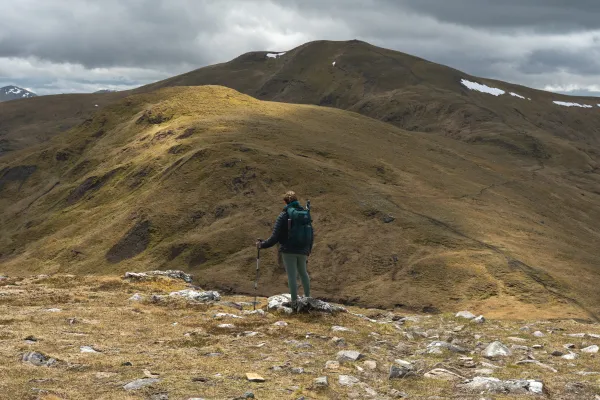
Small free layby at the foot of the Buachaille Etive Beag ridge in Glencoe, just off the A82 near the Meeting of Three Waters.
Buachaille Etive Beag — the “little herdsman of Etive” — sits in the shadow of its famous big brother across the glen, but it’s a serious mountain in its own right. We arrived in early March planning to bag both Stob Dubh and Stob Coire Raineach, but the mountains had other ideas. Winter was still firmly in charge, and without crampons or any formal winter training, we learned a sharp lesson about respecting Scottish conditions. We summited Stob Coire Raineach but had to turn back from Stob Dubh — and looking back, it was the right call.
This was Munro number 12 for us and one of the most important days in our bagging journey — the day we realised we needed proper winter skills training before tackling anything else in snow.
Route Overview
- Stob Dubh — Munro — Black Peak — 958m (not summited on our attempt)
- Stob Coire Raineach — Munro — Peak of the Corrie of Ferns — 925m
- Total distance: 13.16km (circular)
- Total ascent: 709m
- Moving time: ~3.5 hours
- Difficulty: Strenuous — steep bealach approach, exposed ridge, winter conditions add significant challenge
| Munro Name | Pronunciation | Translation | Height |
|---|---|---|---|
| Stob Dubh | Stop Doo | Black Peak | 958m |
| Stob Coire Raineach | Stop Cor-uh Ran-yach | Peak of the Corrie of Ferns | 925m |
The route starts from a layby on the A82 in Glencoe, near the Meeting of Three Waters. A steep path climbs to the bealach between the two peaks, from which you can tackle either summit. In good conditions, both are done as a there-and-back from the bealach.
Getting There and Parking
Small free layby at the foot of the Buachaille Etive Beag ridge, just off the A82 near the Meeting of Three Waters (PH49 4HX). There’s space for around 3–4 cars in the overflow spot and a slightly larger area at the main layby. Arriving early is essential — Glencoe is one of the busiest walking areas in Scotland.
We managed to squeeze into the overflow car park, which involves reversing into a tight space that drops off sharply into the river. Make sure your handbrake is on and the car is in gear before you leave — the slope is steeper than it looks.
The Bealach — Steep Approach
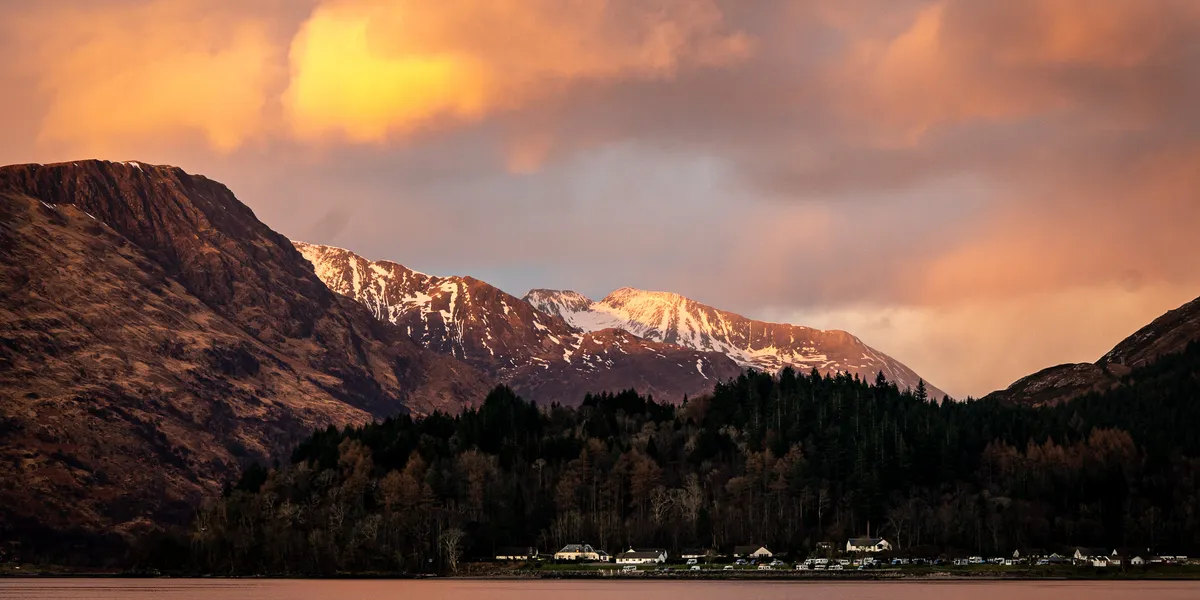
The start of the path heading up from the A82 towards Buachaille Etive Beag
The path from the road up to the bealach between Stob Dubh and Stob Coire Raineach is well-defined and easy to follow. It climbs steeply through the glen, gaining most of the day’s elevation in one sustained push. The terrain is rough but the path is obvious — even in the snow, the line was clear.
Once you reach the bealach, you have the choice: right for Stob Dubh (the higher of the two at 958m), or left for Stob Coire Raineach (925m). We went right first.
Stob Dubh — The Turnaround
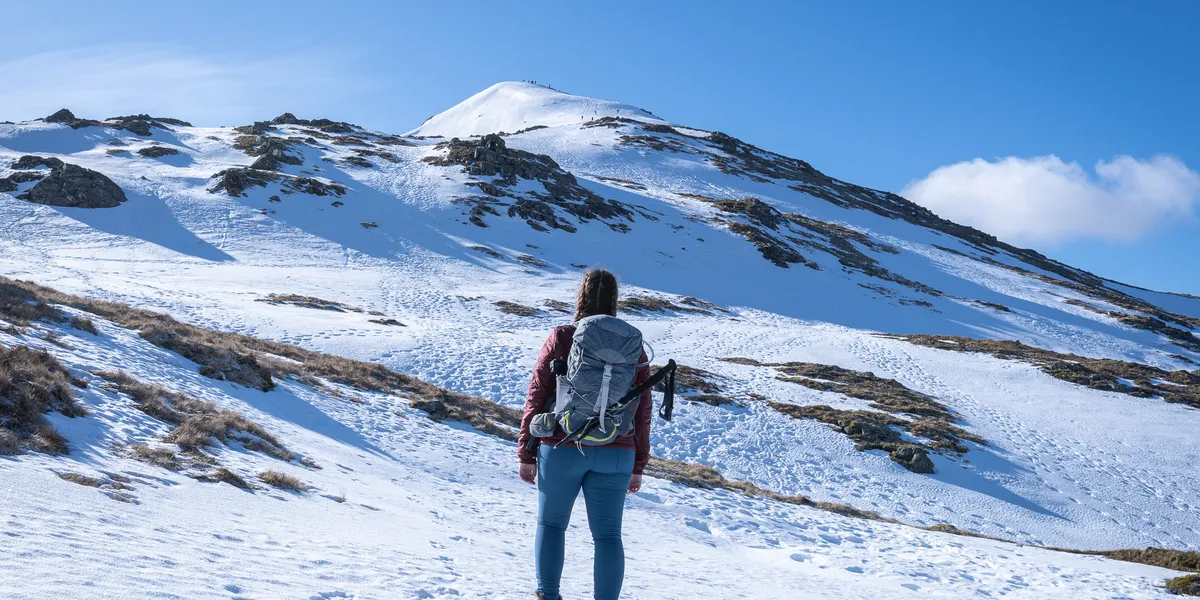
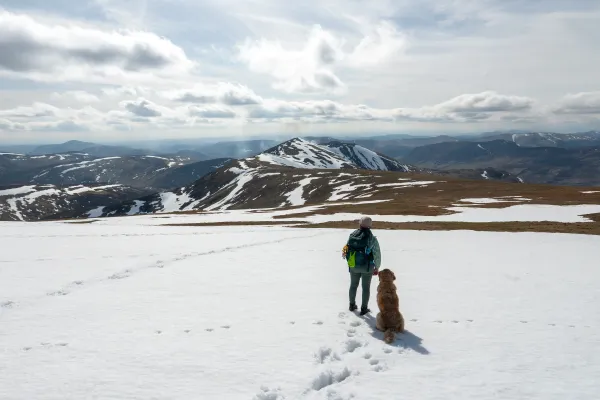
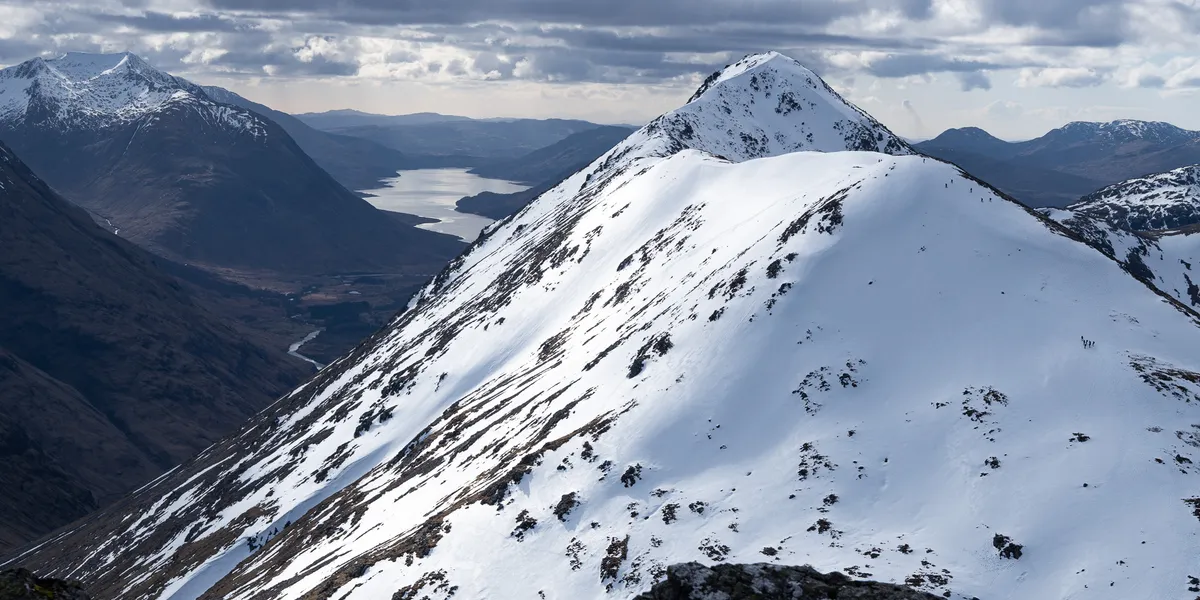
Winter conditions on Buachaille Etive Beag looking towards Stob Dubh
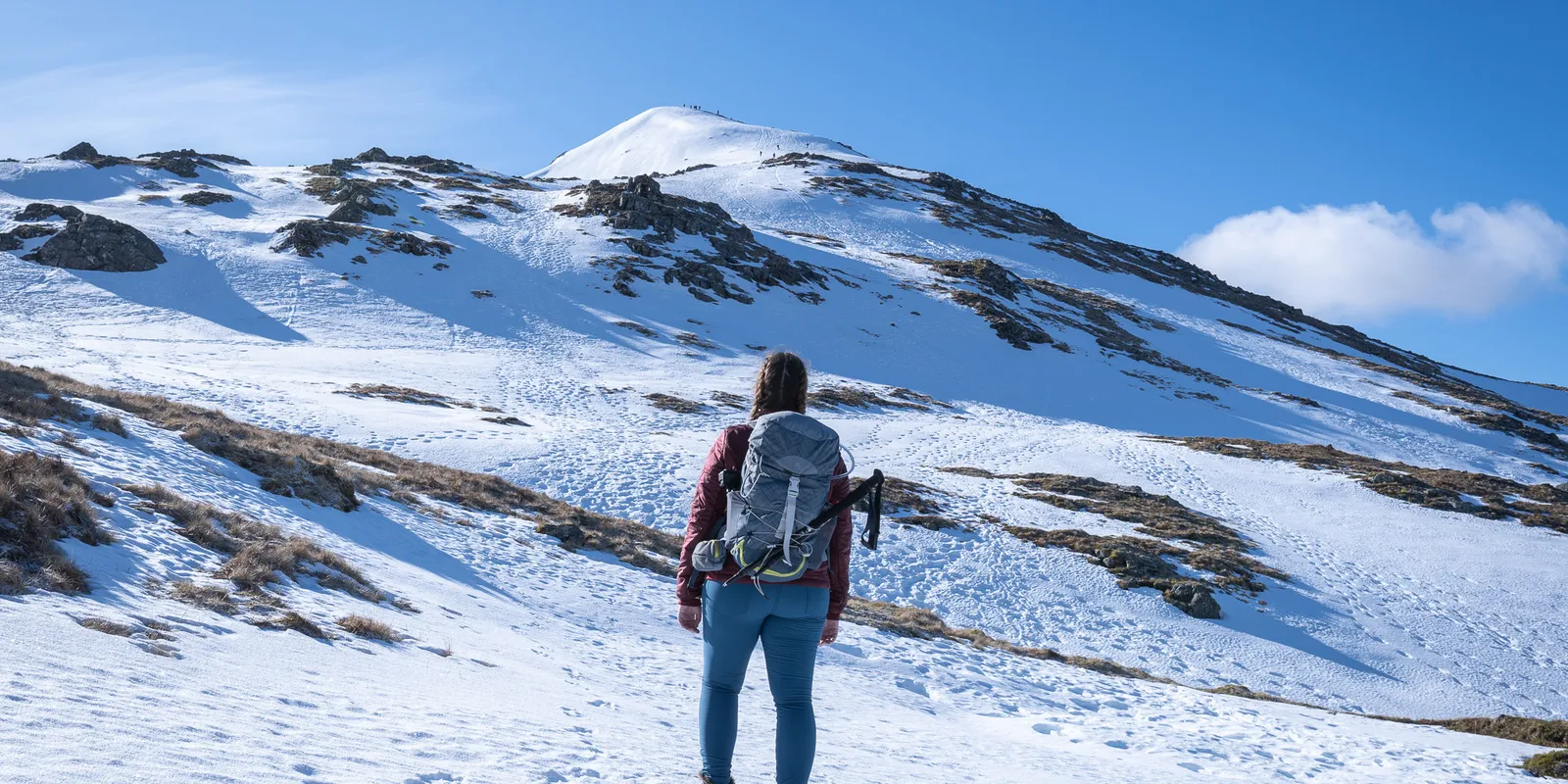
The final climb to Stob Dubh’s summit was where winter shut us down. The path steepens significantly and on our March visit, hard-packed snow and ice covered the upper section. My boots had no grip on the frozen ground and without crampons, every step upward meant sliding back. There was genuine exposure on the ridge — a slip would have had consequences.
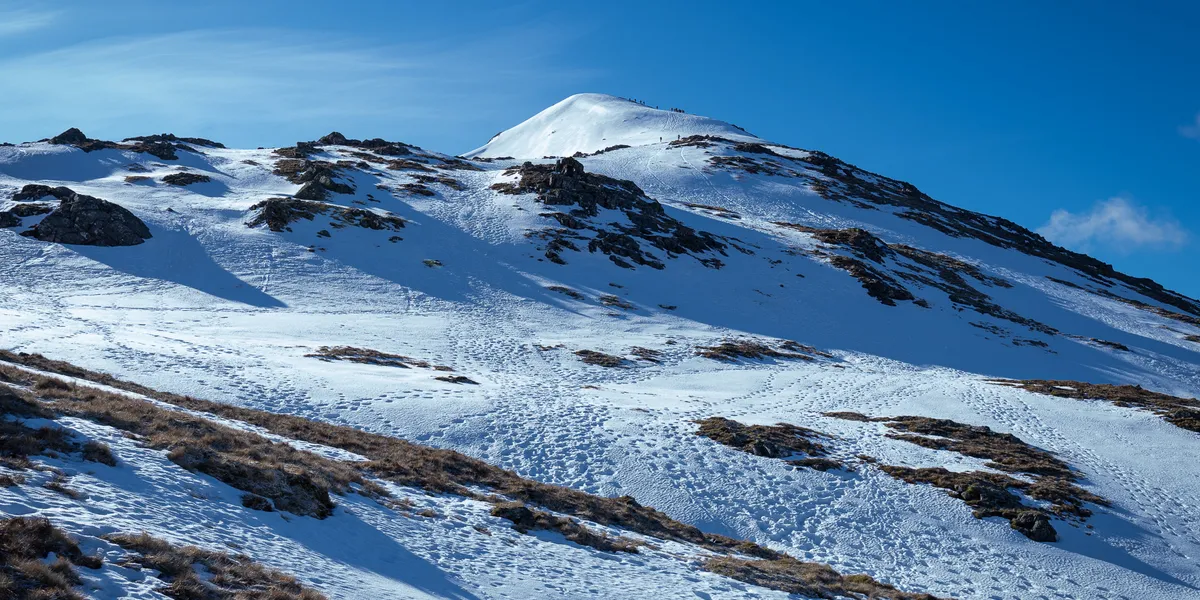
Snow-covered slopes on the approach to Stob Dubh
We made the decision to turn back. It wasn’t an easy call — we could see the summit — but we had no crampons, no ice axes, and no winter training at that point. Looking back, it was absolutely the right decision and one of the most valuable moments in our bagging journey. The mountains will always be there; you only get one chance to make the safe call.
Stob Coire Raineach — The Summit We Did Bag
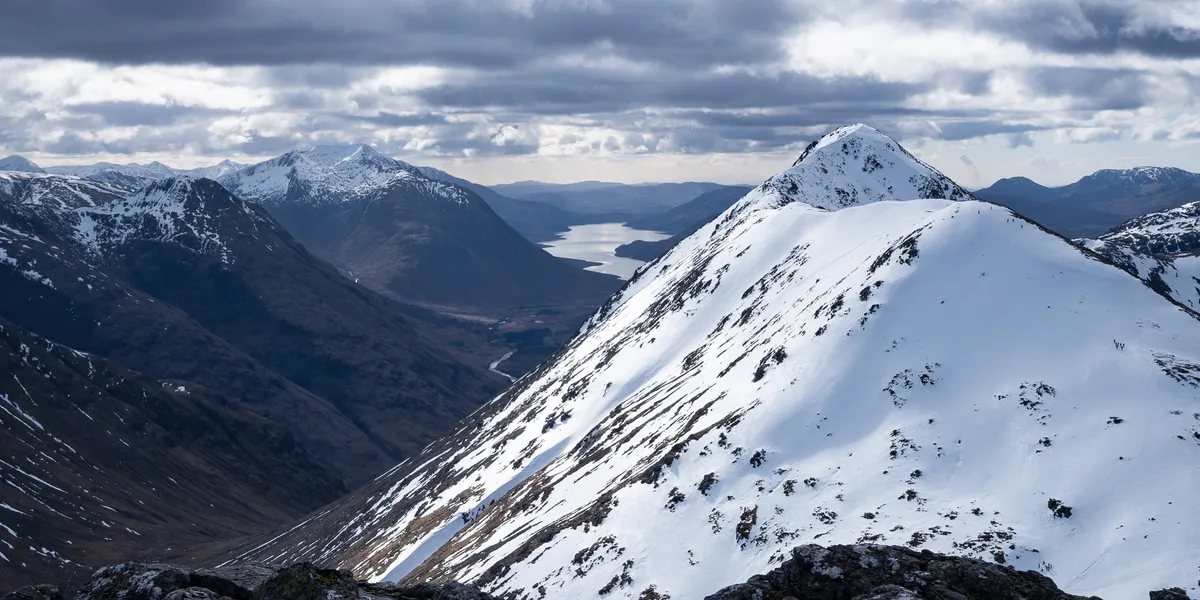
The view from Stob Coire Raineach summit looking across Glencoe
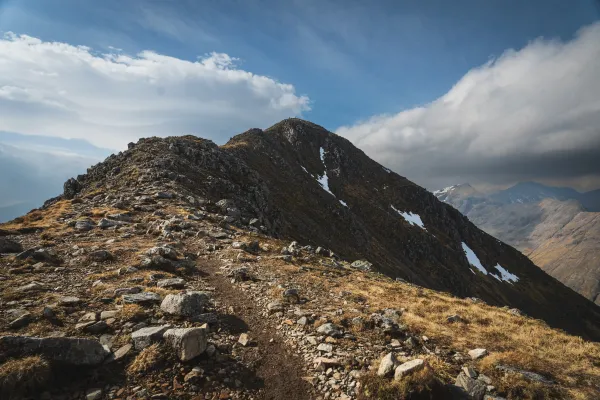
Back at the bealach, we turned left and headed for Stob Coire Raineach. The path on this side had less snow cover and the gradient, while still steep, was manageable in boots without crampons. The summit sits at 925m and offers spectacular views across Glencoe — Buachaille Etive Mòr dominates the skyline to the north, with the Aonach Eagach ridge beyond.
Looking across to Buachaille Etive Mòr from the ridge of Buachaille Etive Beag
We stayed at the summit for a while, taking in the views and coming to terms with leaving Stob Dubh for another day.
The Descent
The descent follows the same route back to the bealach and down to the road. The steep path requires care in either direction, but the views opening up across Glencoe as you descend are stunning.
What We Learned
This was the day that convinced us to book a winter skills course. We went on to train with Cairngorm Adventure Guides and invested in proper crampons and ice axes — both of which proved essential on every winter outing that followed, including Creise and Meall a’ Bhùiridh where we tested them for the first time.
If you’re planning to bag Munros through winter, learn winter skills first. The mountains aren’t going anywhere, and the confidence that proper training gives you transforms the experience.
When to Climb
Summer (May–September) removes the winter complications entirely and lets you focus on the scrambling and the views. The ridge between the two peaks is enjoyable in good weather. Autumn brings dramatic light and colour to Glencoe. Winter (December–March) makes both summits significantly more serious — crampons, ice axe, and winter navigation skills are essential. Spring can catch you out with late snow, as we discovered.
Combine With
The Glencoe area is packed with Munros. Buachaille Etive Mòr is the obvious neighbour, though it’s a demanding day in its own right. Creise and Meall a’ Bhùiridh are accessible from the ski centre car park just along the A82. The Aonach Eagach ridge is also in the area but is a serious scramble.
Tips for This Route
- Don’t underestimate winter conditions. The upper sections of both peaks hold snow and ice well into spring. Without crampons, the final pushes to the summits can be impossible.
- Parking is tight. Arrive early — the laybys fill fast, especially on weekends.
- Tackle Stob Dubh first. It’s the higher summit and requires more effort. If conditions turn, you can still bag Stob Coire Raineach on the way back.
- Turning back is always an option. We did, and we came back better prepared. No summit is worth a rescue.
- The bealach is the crux of effort. Most of the day’s ascent is packed into the climb from the road to the bealach. Once you’re there, each summit is a relatively short push.
Frequently Asked Questions
Did you go back and summit Stob Dubh? Not yet — it remains on our return list. We’ll be going back in winter with full crampons and ice axes to do the job properly.
How hard is Buachaille Etive Beag? In summer conditions, moderate to strenuous — the bealach climb is steep but straightforward. In winter, the upper sections of both peaks become serious ground requiring crampons and an ice axe. Don’t attempt either summit in snow without proper winter equipment.
Where do you park? Small free laybys on the A82 near the Meeting of Three Waters (PH49 4HX). Space is very limited — arrive early.
Are these suitable for dogs? The lower path to the bealach is fine for dogs. The steep upper sections of both summits require scrambling and may not suit all dogs. Keep dogs on leads near livestock in the glen.